
Chapter 29
Chapter Twenty-Nine
1.1.2026
We’ve been working on something new and are excited to finally share it. Check out our latest calendar and download a copy for yourself. Hope you enjoy it!
Hello, World!
Editor – Mykal - Content – Technical - Layout
Research & Editor – Mike - Content
Psycho Studios is an independent Film/TV production company. A multimedia platform with a unique newsletter; The Sprinkler as well as social media presence. Feel free to reach out to Psycho Studios through their website or by email.
Psycho Studios – Film-TV Production – Phoenix Arizona
Psycho Studios Podcast (Access on Spotify, Apple, iHeart Radio, Amazon Music, Castbox and YouTube. And our website) On Hold
Psycho Studios: The Sprinkler (Our Newsletter)
Phoenix Arizona
Email – psychostudios66@gmail.com
Website – www.psycho–studio.com
Instagram – @psychostudios66
Twitter (X) - @PsychoStudios21 Psycho Studios Phoenix
BlueSky - @psychostudios.bsky.social
Facebook – psychostudios (page name)
YouTube - @psychostudiospodcast
Forward
Mike and Mykal are a father & son duo who have a production company with unique and smart stories. They are working on the next phase of their production company and look forward to being involved in feature film making. The Sprinkler is fun, informative and value add! They remind their audience that they leave politics at the door.
We bring old school and contemporary ideas to the table.
Mykal & I operate with the credo; be cool to one another. We want to connect with people, and be present while we enjoy this journey. We have embarked on something that is moving in a direction that affords us to display our creativity and love for film & music! The year has been full of challenges, yet we move forward and appreciate what we have done and what we have!
Welcome Psychos one and all!
The Sprinkler: Note
Starting with Chapter 30, dropping 1.31.2026, Psycho Studio’s newsletter The Sprinkler evolves. The redesign introduces a new logo and a sharper focus, boiled down to what’s always driven it: Film. Some TV. Maybe a little music when it collides with cinema. Released monthly, with occasional short mid-month drops for real-time horror and drama reviews straight from the theater, this next chapter builds on the foundation of the first 29 while pushing forward into something leaner, stranger, and more intentional. It will be different. It will be unique. It will be entertaining. And it will be all about film. These changes come from the mind of Mykal, as he has been pushing for streamlining the newsletter. He will also be designing a new logo! The next chapter moves us forward. Check out our website for back issues, with our special New Year newsletter available too!
Film - Some TV - Music – Some Wellness -Commentary - Grave Thoughts - Peculiar Headlines
Rock N Roll Image of the Month (RRIM)
Interesting Individual of the Month (IIM)
Let’s start with a film related quote we dig:
“There is no terror in the bang, only the anticipation of it.”
Alfred Hitchcock
The Psycho Scale:
We use our Psycho Scale for film and TV series rating scores. Our Psycho Scale is 1-Psycho, with Psycho being the highest; 10. Mykal and I watch all scored films and TV series; drawing from decades of real viewing experience.
Film
December was a magical time as I watched so many films it recharged my love for movies! From unwatchable to classics to must see films, December was a smorgasbord of entertainment!
Psycho Studio’s Spotlight
Top 10 Horror Movie Actors of All Time
1. Boris Karloff
Signature roles: Frankenstein (1931), The Mummy (1932), The Old Dark House
Why he’s #1:
The foundation. Karloff gave horror humanity, pathos, sorrow, tragedy. Every monster with a soul trace back to him.
2. Vincent Price
Signature roles: House of Wax, The Fly, The Pit and the Pendulum
Why he’s here:
Price brought elegance, wit, and theatrical intelligence. He made horror classy and fun without losing menace.
3. Christopher Lee
Signature roles: Dracula (Hammer Films), The Wicker Man
Why he’s here:
Towering presence. Sexual menace. Authority. His Dracula reshaped vampire cinema into something dangerous and adult.
4. Lon Chaney
Signature roles: The Phantom of the Opera (1925), The Hunchback of Notre Dame
Why he’s here:
The original Man of a Thousand Faces. Silent-era horror wouldn’t exist without Chaney’s physical transformation mastery.
5. Tony Todd
Signature roles: Candyman, Final Destination
Why he’s here:
Voice. Gravitas. Tragedy. Todd turned a slasher into myth, Candyman works because of him, not the hook.
6. Robert Englund
Signature roles: A Nightmare on Elm Street
Why he’s here:
Freddy could’ve been a gimmick. Englund made him a pop-culture demon; humor, cruelty, personality all in one.
7. Donald Pleasence
Signature roles: Halloween, Phenomena, Prince of Darkness
Why he’s here:
Authority incarnate. When Pleasence warned you, something was evil, you believed him. The genre’s best man who knows.
8. Bela Lugosi
Signature roles: Dracula (1931)
Why he’s here:
He invented the cinematic vampire accent, posture, and mystique. One role. eternal impact.
9. Jamie Lee Curtis
Signature roles: Halloween, The Fog
Why she’s here:
The Final Girl blueprint. Strength, vulnerability, intelligence, Curtis changed how horror treated women leads.
10. Bruce Campbell
Signature roles: The Evil Dead trilogy
Why he’s here:
No one blended slapstick, terror, and charisma like Campbell. Horror-comedy exists in its modern form because of him.
Near-Miss / Hall-of-Fame Mentions
· Peter Cushing – surgical precision and menace
· Max Schreck – Nosferatu nightmare fuel
· Doug Bradley – Pinhead’s terrifying philosophy
· Kane Hodder – pure physical horror endurance
· Sam Neill – Possession, In the Mouth of Madness, Event Horizon
Here is a list of films we watched in December:
Films:
Keeper 2025 – 3 – overrated and terrible
The Grudge 2004 – 4 – never was my cup of tea
Just Breathe 2025 – 4 – weak story and cast
Seclusion 2025 – 2 – almost unwatchable
Attempted Murder 2025 – 2 – should have not been made
Descendent 2024 – 3 – the only good thing about this film was the poster
Christine 1983 – 7 – iconic, classic Carpenter!
Bone Lake 2025 – 6 – entertaining, peters at the end like so many
Bugonia 2025 - not my thing. 5. Overrated. Good idea and cast, just gets so stupid.
[REC] 2007 - 6 - Spanish over dub. It is a cool horror movie; I struggle with the non - English speaking films
Lookout 2025 – 3 – Lookout is right, terrible movie!
Eden 2024 – 2 – Terrible story, dialogue and acting.
Dream Eater 2024 – 2 – trying to steal from A Nightmare on Elm Street, total fail.
Horror Unmasked 2024 – 1 – unwatchable.
One Battle After Another 2025 – 6 – great acting, story and dialogue. Pace is questionable and predictable ending.
The Thing 2011 – 3 – why was this film made? Yuck.
28 Years Later - 2025 - 2 fucking terrible. Almost unwatchable. Made lots of money, that’s all that matters.
The Mummy 1932 - 3 poor pace and story. A weak link in the Universal Monsters catalog.
The Night of the Hunter 1955 - 1 - overrated. Poor story. Poor dialogue. I always read and heard people praise this film. I wonder if they really watched it? Terrible movie!
Wound 2010 – 5 New Zealand horror. Interested. Trippy. Very dark and sad.
Opera 1987 – Dario Argento’s masterpiece! We watched this classic in 4K on DVD on Xmas Day! What an amazing gift from my son! A must watch, from over the pond, different kind of slasher film.
My Scariest HORROR Films ALL TIME – in no particular order:
Texas Chainsaw Massacre 1974
Sinister 2012
It Follows 2015
Wrong Turn 2003
Saw 2004
Hostel 2006
Friday the 13th 1980
The Descent 2006
Martyrs 2008
X 2022
**honorable mention for its time
PSYCHO – 1960.
Psycho Studio’s Spotlight
By Psycho Studios for The Sprinkler
Alfred Hitchcock: The Man Who Taught Us to Fear Ourselves
Alfred Hitchcock didn’t just make movies.
He engineered anxiety.
Before Hitchcock, suspense was often loud—chases, villains, obvious danger. After Hitchcock, terror became quiet. Personal. Psychological. He taught audiences that the most frightening thing on screen isn’t the monster in the shadows—it’s the thought forming in your own head.
Born in London in 1899, Hitchcock carried a Catholic childhood, a strict upbringing, and a lifelong fascination with guilt straight into his work. Authority figures loom. Innocent men are accused. Ordinary people make one wrong decision and spiral into chaos. His films ask a simple, unnerving question:
What if this happened to you?
Suspense Over Surprise
Hitchcock famously explained suspense with a bomb under a table. If it explodes without warning, you get a moment of shock. But if the audience knows it’s there—ticking away while characters casually talk—the tension becomes unbearable.
That philosophy runs through his entire filmography:
· Rear Window turns voyeurism into moral suspense.
· Vertigo transforms obsession into tragedy.
· North by Northwest makes identity itself unstable.
· Psycho shatters narrative rules with a shower curtain and a violin sting.
He didn’t rely on gore. He relied on anticipation.
Control Was the Point
Hitchcock storyboarded obsessively. Camera movement, blocking, edits—nothing was accidental. He once said actors should be treated like cattle (he later claimed it was a joke, though the tension on his sets suggested otherwise). What mattered most was control: over the frame, over the audience, over emotion.
That control extended to the viewer. Hitchcock manipulated perspective so precisely that audiences often found themselves complicit—rooting for criminals, spying alongside protagonists, or feeling guilt simply for watching.
You don’t just observe a Hitchcock film.
You participate in it.
The Ordinary Made Dangerous
Perhaps Hitchcock’s greatest trick was making the familiar feel unsafe:
· A staircase
· A shower
· A roadside motel
· A quiet apartment window
After Hitchcock, everyday spaces could no longer be trusted.
And that influence is everywhere—Brian De Palma, David Fincher, Jordan Peele, and countless others owe him a debt. Even modern prestige television borrows his pacing, his visual grammar, his slow-burn dread.
Why Hitchcock Still Matters
In an era of jump scares and algorithmic thrill rides, Hitchcock’s work endures because it respects the audience. He believed viewers were intelligent—and that fear worked best when it lingered.
His films don’t end when the credits roll.
They echo.
You walk into the bathroom differently.
You glance out the window longer than you should.
You question what you’re seeing—and why you want to keep watching.
Alfred Hitchcock didn’t just master suspense.
He revealed something uncomfortable about human nature:
We’re drawn to danger.
We’re fascinated by guilt.
And sometimes, we enjoy being afraid.
____________________________________________
Grave Thought:
The scariest thing Hitchcock ever showed us wasn’t a knife, a fall, or a murder.
It was ourselves; watching.
____________________________________________
Psycho Studio’s Spotlight
Ten Horror Novels That Became Legendary Horror Films
Some horror stories refuse to stay on the page. They crawl out of bookshelves, bleed onto movie screens, and haunt generations in two mediums at once. These novels didn’t just inspire films, they defined them.
Here are ten of the greatest horror novels ever written that successfully made the leap from print to cinema.
1. The Exorcist — William Peter Blatty
Film: The Exorcist (1973)
Blatty’s theological nightmare didn’t just terrify readers, it traumatized movie audiences worldwide. The novel’s restrained, intellectual dread translated into one of the most intense and controversial films ever made. Few adaptations respect the source material this deeply while amplifying its horror.
2. The Shining — Stephen King
Film: The Shining (1980)
A rare case where the film diverged wildly from the novel yet became iconic in its own right. King’s slow-burn psychological descent collided with Stanley Kubrick’s cold, operatic vision. Love it or hate it, the book and film now exist as parallel nightmares.
3. Dracula — Bram Stoker
Films: Numerous (notably Nosferatu, Dracula (1931), Bram Stoker’s Dracula (1992))
The blueprint for modern horror. Stoker’s epistolary novel has been reinterpreted countless times, but its DNA remains intact: seduction, decay, immortality, and fear of the unknown. Few horror novels have cast a longer shadow.
4. Frankenstein — Mary Shelley
Film: Frankenstein (1931)
Shelley’s tragic meditation on creation and responsibility became one of cinema’s most enduring monsters. The film simplified the philosophy, but Boris Karloff’s performance cemented Frankenstein’s creature as a cultural icon, misunderstood, monstrous, and heartbreakingly human.
5. Psycho — Robert Bloch
Film: Psycho (1960)
A pulp novel transformed into high art. Bloch’s twisted tale of Norman Bates found its perfect partner in Alfred Hitchcock, who elevated psychological horror with surgical precision. The shower scene may belong to cinema, but the terror started on the page.
6. Rosemary’s Baby — Ira Levin
Film: Rosemary’s Baby (1968)
Domestic paranoia at its finest. Levin’s novel is subtle, unsettling, and merciless, qualities Roman Polanski preserved almost word for word. Proof that horror doesn’t need monsters, just neighbors.
7. The Haunting of Hill House — Shirley Jackson
Film: The Haunting (1963)
Jackson’s novel is pure psychological dread, a masterclass in atmosphere, ambiguity, and slow-burn terror. Robert Wise’s adaptation honored the book’s restraint, proving that suggestion can be far more frightening than spectacle.
8. The Silence of the Lambs — Thomas Harris
Film: The Silence of the Lambs (1991)
Intellectual horror with teeth. Harris’ novel gave us Hannibal Lecter, elegant, terrifying, unforgettable. The film adaptation became a rare horror-thriller hybrid that crossed into prestige cinema without losing its bite.
9. Carrie — Stephen King
Film: Carrie (1976)
King’s debut novel is raw, cruel, and tragic. Brian De Palma’s adaptation preserved its emotional brutality while delivering one of horror’s most iconic finales. Telekinesis was never the scariest part, cruelty was.
10. I Am Legend — Richard Matheson
Films: The Last Man on Earth (1964), The Omega Man (1971), I Am Legend (2007)
Matheson’s existential horror novel reshaped vampire mythology and post-apocalyptic storytelling. While adaptations vary in faithfulness, the core idea, humanity becoming the monster, remains chillingly intact.
Final Thought
The best horror adaptations understand one thing: fear is a translation, not a transcription. These novels didn’t just inspire movies, they survived transformation, proving that great horror works in any format, as long as it knows where to cut.
Some TV
TV I consumed in December:
Pluribus
Ridley Scott + paranoia plus power structures. Feels like prestige sci-fi with teeth; control, systems, and who’s really pulling the strings.
Fallout – Season 2
Season one was the hook. Season two looks ready to go darker, meaner, and deeper into the wasteland’s broken morality. Caps will drop.
It: Welcome to Derry
Small-town horror done right; kids, fear, history, and the slow poison of Derry itself. Pennywise isn’t the only monster.
Severance (Seasons 1 & 2)
One of the sharpest concepts in modern TV. Corporate horror as existential nightmare, clean lines, cold smiles, and devastating questions about identity.
Psycho Studios Spotlight
Fallout: Welcome Back to the Wasteland
The bombs already fell.
The question now is what we choose to become after.
When Fallout first hit, it didn’t just adapt a video game, it translated a feeling. Paranoia wrapped in nostalgia. Cheerful propaganda masking rot. A world smiling while it burns. That trick is harder than it looks, and somehow the series nailed it.
Now the new season is upon us, and the wasteland feels bigger, meaner, and more personal.
What Fallout understands, maybe better than most modern genre TV, is tone. This is not grimdark misery porn, and it’s not a joke machine either. It lives in that perfect radioactive middle ground where absurdity and horror coexist. A severed limb can be funny. A smiling mascot can be terrifying. A vault can be safer than the outside world, until it isn’t.
This season leans harder into consequence. Survival isn’t just about staying alive anymore; it’s about deciding what parts of yourself you’re willing to lose along the way. The characters aren’t just scavenging for gear; they’re scavenging for meaning. Loyalty, morality, identity, all negotiable in a place where rules are written by whoever has the biggest gun or the deepest bunker.
And visually? Still stunning. Sun-bleached ruins. Retro-future tech humming like ghosts. Costumes and production design that feel lived-in, dirty, and dangerous. The world doesn’t look dressed, it looks worn.
But the real win is confidence. Fallout no longer feels like it’s asking permission. It knows what it is. It knows its audience. And it’s not afraid to go darker, weirder, or quieter when needed. Some of the most unsettling moments aren’t explosions, they’re conversations. Smiles that last a beat too long. Promises that sound rehearsed.
Because that’s the core of Fallout:
Trust is the rarest currency.
Hope is dangerous.
And the end of the world didn’t end human nature, it just exposed it.
So, crack open a Nuka-Cola, keep your Geiger counter close, and remember:
In the wasteland, everyone thinks they’re the hero of their own story.
They’re usually wrong.
Music
Groups we listen to 1960s-Present (Heavy rotation for most of these on our Spotify!)
The Beatles — The blueprint: melody, rebellion, and reinvention
The Rolling Stones — Blues grit, swagger, and survival
The Who — Volume, youth fury, and smashed guitars
Led Zeppelin — Mythic riffs and thunderous gods of rock
Pink Floyd — Psychedelia turned cinematic obsession
The Doors — Dark poetry and dangerous charisma
AC/DC — High-voltage riffs, zero compromise
Van Halen — Virtuoso flash with party fuel
Metallica — Metal sharpened into a global weapon
Nirvana — Grunge detonates the mainstream
Pearl Jam — Emotion, endurance, and integrity
Foo Fighters — Big hooks, bigger heart
Green Day — Punk speed with pop teeth
The White Stripes — Raw blues stripped to bone
The Beach Boys — Sun-soaked harmonies hiding genius
Ratt — Sunset Strip sleaze and neon hooks
Nine Inch Nails (NIN) — Industrial pain turned art
Type O Negative — Doom, goth romance, black humor
Godsmack — Tribal drums and blunt-force metal
Royal Blood — Two men, massive noise
Check these groups out on Spotify Premium, we always do!
Psycho Studios Spotlight
Rock and Roll Gave My Life Color
I love music.
Not casually. Not in passing. I mean deeply.
Music gave my life color long before I knew how to describe it that way.
I started listening when I was thirteen. FM radio. Eight-track tapes. That tactile, clunky, beautiful era where music felt physical—where you handled it, rewound it, flipped it, waited for it. Five decades later, I’m still rocking it. Same genre. Same devotion. Rock and roll has been the through-line of my life.
From the 1960s through the 1990s, and now 25 years into the 2000s, rock has marked my timeline better than any calendar ever could. Certain songs don’t just remind me of moments; they are the moments. Music doesn’t just play in the background of my life; it narrates it.
I’ve done it all.
Eight-tracks.
Terrestrial radio.
Albums you studied like sacred texts.
Cassettes you wore thin.
I lived through the golden age of MTV in the early ’80s, when they played music videos 95% of the time and the future felt loud, electric, and impossible to ignore. I ran under-dash car stereos. I hooked amps to anything that could carry sound. I ran the TV audio through stereo speakers just to make it hit harder—because back then, louder wasn’t excess, it was necessary.
I burned CDs. I wore them out. I replaced them and burned them again.
And now? I still listen to music every single day of my life.
Rock and roll has been the one constant. I never strayed. Never felt the need to. It fits me. It always has. There’s rebellion in it, sure—but also poetry, honesty, danger, vulnerability, power. It evolves without apologizing. That’s probably why it stuck.
That love transferred to my son.
He’s an audiophile in the truest sense. He hears music. Loves it. Studies it. He loves rock and roll, classic rock, hard rock, alternative rock, but his tastes stretch wider than mine ever did. And that’s a good thing. He’s the one who introduced me to Mac Miller, and I’ll say it plainly: that man was an artist. No qualifiers needed.
My son and I share tracks almost daily. Songs become bookmarks; markers of events, moods, memories, random Tuesdays. Music is how we communicate without needing to explain everything. Led Zeppelin. The Doors. Ratt. Nine Inch Nails. Royal Blood. Old and new. Loud and quiet. Shared.
Five decades in, the format has changed, the delivery has changed, the tech has changed, but the feeling hasn’t. Music still colors everything. It still anchors time. It still reminds me who I was, who I am, and who I’m becoming.
It’s rock and roll.
And I like it.
Psycho Studios Spotlight
When Gods Walked In: The Doors, Led Zeppelin, and the Sound That Split the Sixties
There are bands, and then there are events.
The Doors and Led Zeppelin weren’t simply successful rock groups of the late 1960s. They were seismic shifts, two supergroups born at the exact moment American innocence cracked and something darker, louder, and more honest came roaring through.
They didn’t arrive politely.
They kicked the door in.
They rewired the future.
The Doors: Poetry with a Switchblade
The Doors didn’t sound like anyone else because they weren’t trying to belong to rock music at all.
They were literature.
They were theater.
They were danger.
Jim Morrison wasn’t a frontman so much as a conduit, channeling French symbolists, Native American mysticism, and existential dread into a body that couldn’t sit still. Ray Manzarek’s swirling organ replaced the bass guitar entirely, giving the band a haunted, funhouse feel. Robby Krieger’s flamenco-tinged guitar and John Densmore’s jazz-informed drums completed a sound that felt improvised, ritualistic, and alive.
Songs like Break on Through, Light My Fire, and The End weren’t hits as much as incantations. They didn’t ask for your attention, they demanded surrender.
The Doors were the sound of Los Angeles after sunset.
The party after the party.
The moment when curiosity turns into consequence.
They represented the intellectual edge of the counterculture, the idea that rock music could be philosophical, erotic, and genuinely dangerous all at once.
Led Zeppelin: The Hammer Falls
If The Doors were poetry whispered in a dark room, Led Zeppelin was thunder rolling down a mountain and the Hills Far Away!
Formed from the wreckage of the Yardbirds, Zeppelin arrived fully formed, no warm-up, no hesitation. Jimmy Page’s guitar wasn’t just loud; it was architectural. John Paul Jones provided a musical backbone that could pivot from folk to funk to full-scale orchestration. John Bonham’s drumming sounded less like rhythm and more like controlled demolition. And then there was Robert Plant; howling, wailing, and summoning ancient gods into the microphone.
Their debut album in 1969 felt less like a release and more like a declaration:
This is how heavy music will sound from now on.
Tracks like Dazed and Confused, Whole Lotta Love, and Communication Breakdown didn’t just push boundaries, they erased them. Blues became something primal again. Volume became a weapon. Mythology replaced pop romance.
Zeppelin turned rock music outward, bigger stages, louder amps, longer songs, and an almost mythic sense of scale. Where The Doors explored the mind, Zeppelin conquered the body.
Two Paths, One Revolution
What makes The Doors and Led Zeppelin fascinating isn’t just their success, it’s how differently they answered the same cultural moment.
The late ’60s were chaotic.
Vietnam. Civil unrest. Psychedelics. The collapse of old rules.
The Doors looked inward and asked, who are we really?
Led Zeppelin looked outward and said, Feel this.
One band thrived on confrontation and self-destruction.
The other built an empire of sound and stamina.
Yet both shared something rare: total belief. No irony. No winking at the audience. They meant every note, every lyric, every risk.
That sincerity is why they still matter.
Why They Still Echo
Decades later, you can hear their fingerprints everywhere.
In modern rock’s obsession with atmosphere and menace.
In metal’s power and mythology.
In indie bands chasing authenticity instead of polish.
The Doors taught musicians that mystery is a feature, not a flaw.
Led Zeppelin taught them that power doesn’t apologize.
They were supergroups before that term meant anything. Not because they were assembled, but because the moment demanded something larger than life, and they answered.
The sixties didn’t end quietly.
They ended with feedback, poetry, sweat, and fire.
And somewhere in that noise, The Doors opened the mind,
while Led Zeppelin taught us how to fly.
Rock and Roll Image(s) of the Month! (RRIM)
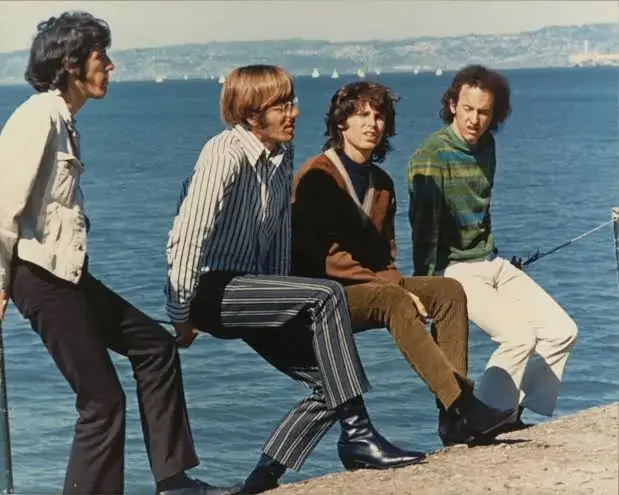
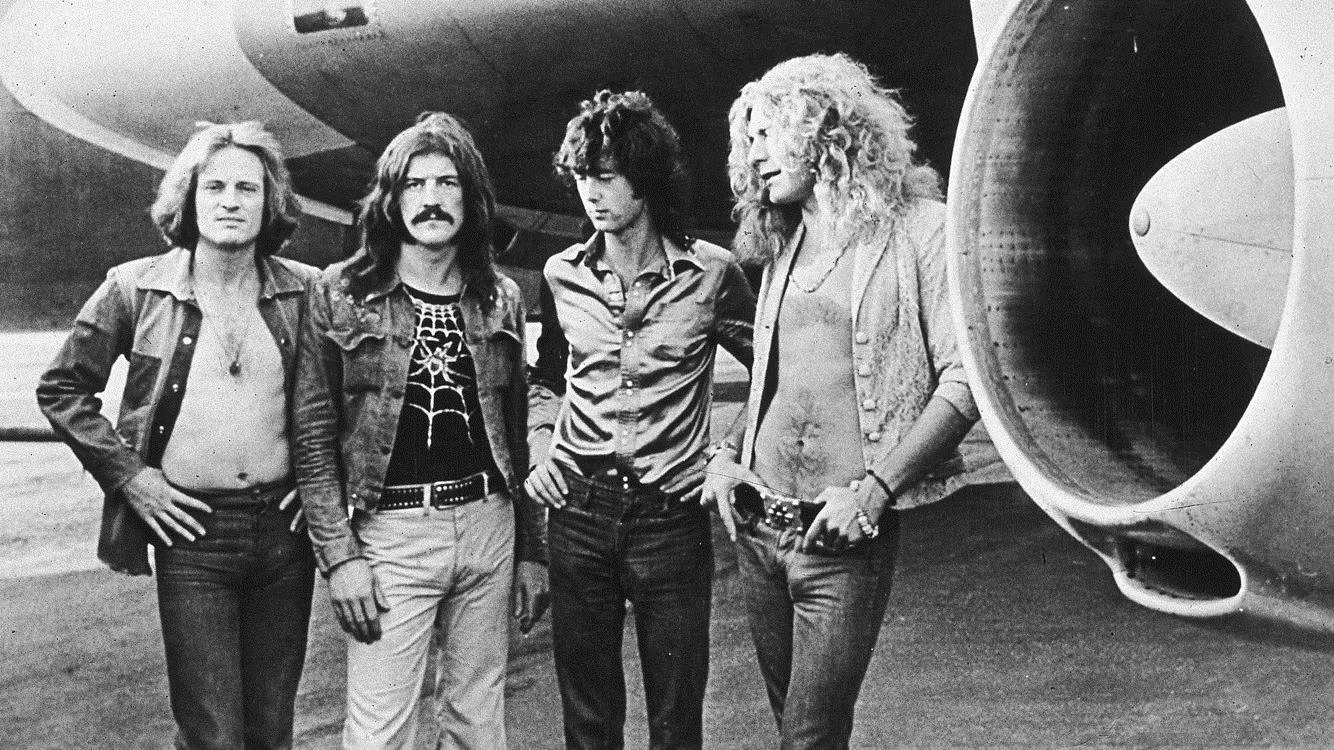
Make it stand out
Whatever it is, the way you tell your story online can make all the difference.
The Doors –1960s Led Zeppelin – 1970s
Some Wellness

Healthy, Mental.
The new year has a funny way of arriving loud, resolutions, plans, noise, when what most of us actually need is quiet. Taking care of your mental health doesn’t require a grand reset. Sometimes it starts smaller: noticing your breath, stepping away from the scroll, letting yourself rest without guilt.
Gratitude helps soften the edges. Not the forced kind, but the honest inventory, what carried you through, who showed up, what you survived and learned from. Gratitude doesn’t erase stress or pain, but it gives them context. It reminds us that even in hard seasons, something good was present.
As the year unfolds, be gentle with your mind. Protect it like you would someone you love. Pause when you need to. Say thank you, out loud or quietly, to the moments that sustain you. That’s wellness too.
Happy New Year ‘26
Psycho Recipe Spotlight
Home Style Mac & Cheese
Ingredients (serves 4–6)
Pasta:
1lb elbow macaroni
Cheese Sauce:
4 Tbsp butter
4 Tbsp all-purpose flour
3 cups whole milk (warmed)
3 cups shredded sharp cheddar (classic choice)
1 cup shredded Colby or American cheese (for that smooth old-school melt)
1 tsp dry mustard (key old-school flavor, optional but recommended)
½ tsp paprika
Salt & black pepper to taste
Topping:
1 cup extra cheddar for the top
Optional: crushed butter crackers OR seasoned breadcrumbs mixed with 1–2 Tbsp melted butter
Instructions
1. Cook the pasta
Boil macaroni in salted water until just shy of al dente.
Drain and set aside (don’t rinse, starch helps the sauce cling).
2. Make the roux
In a large pot, melt butter over medium heat.
Whisk in flour, cooking 1–2 minutes until bubbly but not browned.
Slowly pour in warm milk, whisking constantly.
Cook until thickened and silky, about 4–6 minutes.
3. Add the cheese
Remove from heat.
Stir in cheddar plus Colby/American until melted.
Whisk in dry mustard, paprika, salt, and pepper.
4. Combine
Fold the cooked macaroni into the cheese sauce.
Pour into a buttered baking dish.
5. Add the topping
Sprinkle with a generous layer of cheddar.
Add cracker or breadcrumb topping if using.
6. Bake
Bake at 350°F (175°C) for 25–30 minutes,
or until the edges bubble and the top is golden.
Old-School Tips & Variations
Evaporated milk can replace some regular milk for a 1950s diner-style richness.
Add a splash of Worcestershire for a secret depth.
Stir in a beaten egg before baking for a firmer, classic church supper texture.
Want it extra creamy? Mix in ½ cup sour cream before baking.
Commentary
Psycho Studios Spotlight
Turning the Page
There’s something quietly powerful about turning the page into a new year.
Not in the loud, fireworks-and-promises way. More in the simple act of pausing. Taking stock. Letting the noise fade long enough to hear yourself think again.
A new year doesn’t demand perfection. It doesn’t require a grand reinvention. It just offers a chance to reset your footing, to decide what’s worth carrying forward and what you’re finally ready to put down.
Goals matter. Not the hollow kind we announce and forget by February, but the honest ones. The ones that reflect who you actually are and where you truly want to go. Small steps count. Consistency counts. Showing up on the days when motivation doesn’t—that really counts.
Just as important: stay positive, but not blindly so. Choose perspective. Choose effort. Choose to believe that progress is still possible, even when the world feels heavy and the headlines say otherwise.
Take a deep breath. Seriously, take one.
Show yourself some grace. You made it through another year, and that alone is worth acknowledging. Extend that same grace outward. Everyone is carrying something you can’t see. Be good to one another. It costs less than anger and pays better than resentment.
We don’t know exactly what this new year will bring, but we do know how we can meet it. With intention. With kindness. With a little patience for the messiness of being human.
Here’s to turning the page.
Here’s to steady goals.
Here’s to grace.
And here’s to a good new year.
Cheers.
Psycho Studios
Cultivating awareness, humanity, and a little lighter, one issue at a time.
Let’s be cool to one another!
Grave Thoughts
This will be stories of the morbid and macabre! This section will be gross and gory to go along with the theme of our favorite kind of movies; horror! There will be shares of old and new stories to include mysteries, murders and serial killers. What makes so-called humans’ prey on one another? People are fascinated by these topics, similar to the way many people slow down to observe a gruesome car accident.
Psycho Studio’s Serial Killer(s) Spotlight
The Black Dahlia, The Zodiac Killer, and the Unfinished Conversation Between Them
Some crimes refuse to stay buried.
They linger not because of spectacle, but because they sit at the crossroads of brutality, mystery, and silence. Two of the most enduring examples in American crime history, the murder of Elizabeth Short, forever known as The Black Dahlia, and the anonymous terror campaign of the Zodiac Killer, exist decades apart, yet remain eerily connected in the public imagination.
Not by proof.
But by obsession.
The Black Dahlia: A Body, not a Person
In January of 1947, Elizabeth Short’s body was discovered in a vacant lot in Los Angeles. She had been bisected, drained of blood, and posed. The crime shocked postwar America and hardened the relationship between media and murder.
Elizabeth Short became an object, her life eclipsed by the violence done to her. Headlines coined The Black Dahlia, a nickname that stripped her of complexity and replaced her with myth. The investigation collapsed under its own weight: false confessions, mishandled evidence, institutional sexism, and the media’s appetite for sensationalism.
The case remains officially unsolved.
What haunts isn’t just the brutality, but the way the system failed, then moved on.
The Zodiac Killer: A Voice Without a Face
Two decades later, Northern California faced a different kind of terror.
The Zodiac Killer didn’t just murder, he communicated. Letters, symbols, ciphers. He mocked police, baited newspapers, and turned fear into a performance. Unlike the Dahlia case, the Zodiac wasn’t about what was done to the body, it was about what was said afterward.
Where Elizabeth Short was silenced forever, Zodiac demanded to be heard.
And he still is.
The killer was never definitively identified. The letters stopped. The threat evaporated. The mystery hardened into folklore.
The Connection: Control, Not Coincidence
There is no proven forensic link between The Black Dahlia murder and the Zodiac killings.
But there is a psychological connection.
Both crimes represent a shift in how violence interacts with media:
The Black Dahlia showed how the press could turn a victim into a symbol.
The Zodiac Killer exploited that lesson, using the press as a weapon.
In both cases, the killer (known or unknown) maintained control long after the act itself. The bodies were only the beginning. The real damage was cultural.
Fear. Fascination. Endless speculation.
And the unsettling realization that anonymity is power.
Why We Still Look
These stories endure because they sit unresolved. They deny closure. They resist meaning. In a world desperate for patterns and endings, unsolved crimes feel like unfinished sentences, daring us to complete them.
But maybe that’s the wrong impulse.
Maybe the lesson isn’t in solving the mystery, but in understanding the cost of turning real suffering into mythology.
Elizabeth Short was a person.
The Zodiac’s victims were people.
Not puzzles. Not entertainment.
And yet, we return.
Because some horrors don’t want answers.
They want witnesses.
And once you’ve seen them,
they never quite let you go.
Peculiar Headlines
Let’s get to some weird and funky stuff!
- Man Claims He’s Been Stuck in a Group Chat for 11 Years and No One Knows Who Added Him – Weirdo!
- AI Therapist Pauses Mid-Session, Asks Patient If This Is Real Enough – Twilight Zone!
- Archaeologists Uncover Ancient Building Believed to Be a Waiting Room – To being a Mummy!
- Neighbors Report Abandoned Mall Lights Turning on Every Night at 2:17 a.m. Turn out those lights!
- Study Finds Majority of People Assume Their Phone Is Listening Even When Powered Off. Can you say Paranoid!?
- Town Replaces Emergency Sirens with Soft Chimes, Residents Unsure When to Panic – Panic when you hear Silent Hill Siren!
- Streaming Platform Cancels Series Viewers Swear Never Existed – Stoopid!
- Man Spends Thousands on Home Security, Continues Leaving Door Unlocked Out of Habit – Kramer!
- New Wellness Retreat Encourages Complete Emotional Honesty, Shuts Down After One Weekend. Honestly!
- Experts Say Collective Exhaustion May No Longer Be Temporary – Film at 11!
Interesting individual of the month [IIM]
This month’s interesting individual is Robert Englund/Freddy Krueger
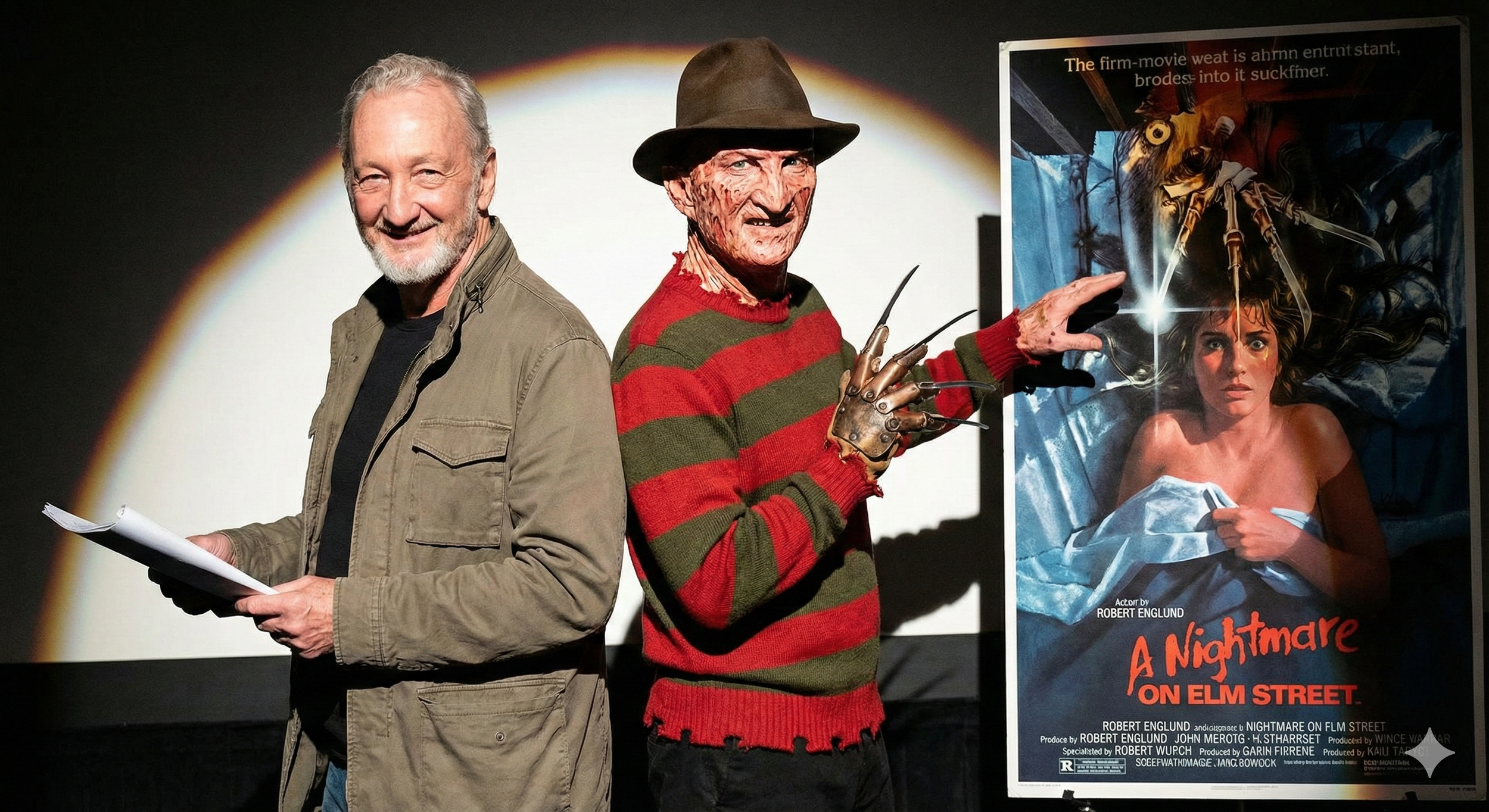
Sprinkler Spotlight: Robert Englund
Robert Englund: The Man Who Became the Nightmare
There are horror icons,
and then there are architects of fear.
Robert Englund belongs squarely in the latter.
To play Freddy Krueger once would’ve been enough to secure a place in genre history. To play him nine times, across decades, tones, studios, and cultural shifts, and still be the definitive version? That’s something else entirely. That’s alchemy.
But to reduce Englund to the burned sweater and razor glove is to miss the point.
Before Freddy, There Was a Character Actor
Englund didn’t arrive in horror as a stunt or a gimmick. He came up the long way, classical training, Shakespeare, theater, television, character work. He studied under the same system that valued intention over image, voice over volume.
That foundation matters.
Because Freddy Krueger, in lesser hands, would’ve been a cartoon villain from day one. A punchline. A prop.
Instead, Englund built Freddy like a stage role:
· posture
· timing
· vocal cadence
· eye movement
· humor sharpened into cruelty
Freddy didn’t just kill you in your dreams.
He performed.
Wes Craven Gave Him the Knife, Englund Gave Him the Soul
A Nightmare on Elm Street (1984) worked because it treated its monster seriously. Craven understood fear. Englund understood character.
Freddy’s laugh wasn’t random.
His jokes weren’t improvised nonsense.
Even the glove became an extension of his body language.
As the series evolved—sometimes too far into camp, Englund never checked out. Even when the films leaned comedic, he anchored Freddy in something theatrical, something knowing. He was in on the joke without becoming the joke.
That’s why Freddy survived pop culture burnout while so many other slasher icons faded into parody.
Freddy Endures Because Englund Endures
When the 2010 remake arrived without Englund, audiences felt the absence immediately. Not because the makeup was wrong. Not because the effects failed.
Because Freddy wasn’t there.
Englund didn’t just play Freddy, he was the bridge between fear and fun, menace and myth. He made Freddy dangerous and charismatic, which is the hardest balance in horror.
And when he eventually stepped away, he did so with grace. No bitterness. No gatekeeping. Just respect for the role and for fans who grew up losing sleep because of him.
Beyond Elm Street
Englund’s legacy stretches far wider than Freddy:
· V gave us one of Sci-Fi’s great villains
· Genre television benefited from his presence for decades
· Voice acting, conventions, mentorship, he gave back
He became a caretaker of horror history, not just a participant in it.
Final Thought
Robert Englund didn’t just scare a generation.
He shaped how we understand horror villains:
· that monsters can be funny without being safe
· that performance matters more than effects
· that longevity comes from craft, not shock
Freddy Krueger may haunt dreams.
But Robert Englund?
He earned his place in cinema history wide awake.
One of our favorite Freddy Krueger quotes:
“Welcome to prime time, bitch!”
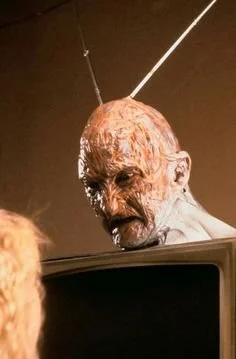
(1987)A Nightmare on Elm Street 3: Dream Warriors
Closing
We have thoroughly enjoyed writing this newsletter each month for the last 28 months. I firmly believe there is an audience out there for this unique take on a newsletter. We want to continue our unique voice in a sea of sameness and will do so through 2026 with a newly streamlined format.
Thank you for taking the time to read Chapter Twenty-Nine of Psycho Studios; The Sprinkler. We always look forward to sharing our thoughts, ideas and more!
Mykal and I wish everyone a special January! Be safe and stay psycho! We would love to hear from our audience. Comments, feedback & suggestions are welcome!
Email us at - psychostudios66@gmail.com
Reach us at our website - psycho-studio.com.
Find our podcasts, newsletters and more on our website! We make announcements on Instagram, Bluesky and Twitter (X)
The Sprinkler is dropped on the first of each month. Podcasts are dropped as content is available.
Mike & Mykal - Psycho Studios Phoenix – 1.1.2026 - www.psycho-studio.com
Thank you, Psychos, one and all! Chapter 29
HAPPY NEW YEAR!